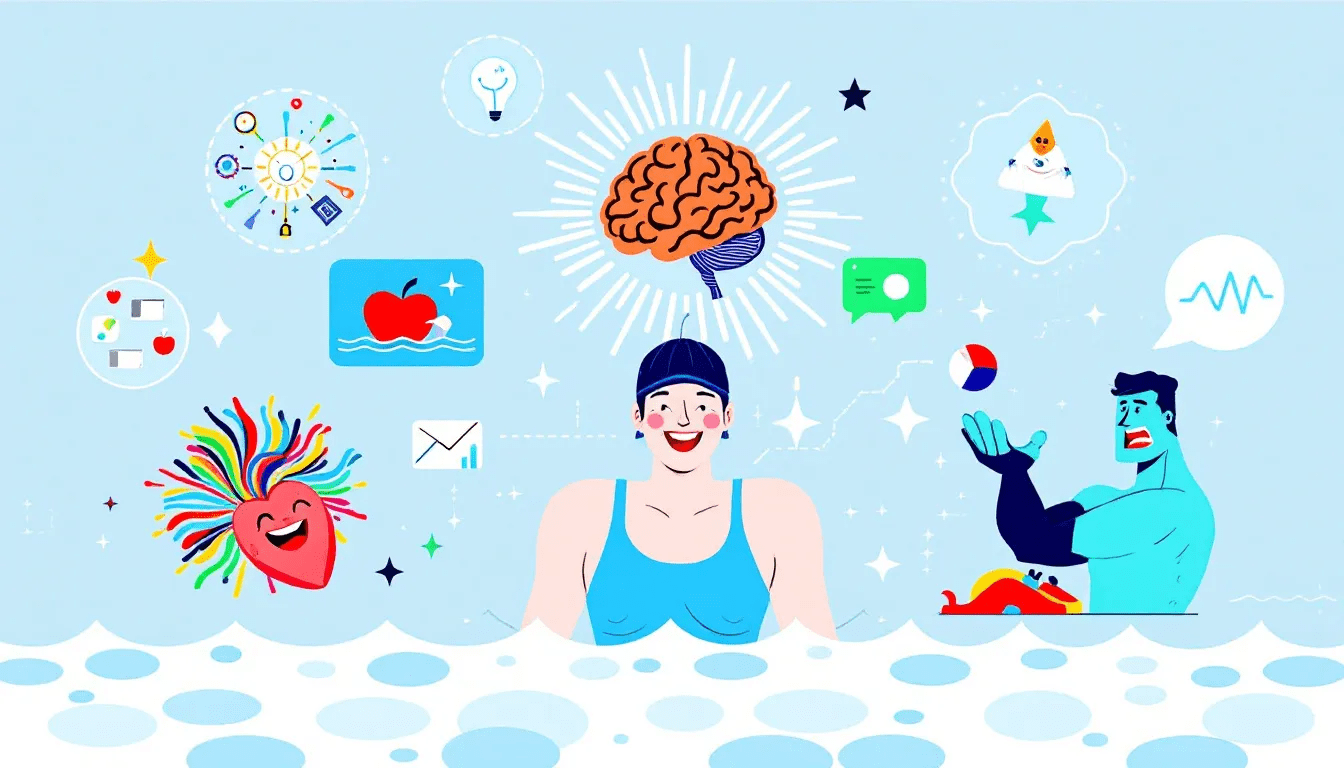
Swimming is one of the best exercises for people of all ages due to its range of health benefits. In this article, you’ll discover the benefits of swimming and how it can enhance your fitness, improve heart health, assist with weight management, and boost your mental well-being.
Key Takeaways
- Swimming is a full-body workout that enhances cardiovascular health, builds endurance and strength, and effectively aids in weight management.
- This low-impact exercise is suitable for all ages, minimizes joint stress, and promotes overall physical and mental well-being.
- Swimming fosters social connections, builds confidence, and develops essential safety skills, making it a valuable life-long activity.
Swimming: A Full-Body Workout
Swimming offers a workout that targets multiple muscle groups at once, boosting overall fitness. Unlike exercises that focus on specific areas, swimming engages almost all major muscles, strengthening them and increasing calorie burn, making it effective for weight loss.
Additionally, swimming lessons at places like Swim Up Academy can help you explore progress in building endurance and strength through guided exercises, turning your body into a calorie-burning furnace.
Swimming in public or private pools for half an hour can significantly burn calories and help achieve fitness goals as you spend time exercising.
Muscle Groups Targeted by Swimming
Swimming engages various muscle groups, promoting well-rounded strength improvement. Different strokes utilize muscles like the core, shoulders, and legs. For example, the butterfly stroke heavily engages the deltoids and shoulders, while the freestyle stroke works on the legs and core. Swimming lessons are beneficial as they teach effective use of these muscle groups.
Learning to swim reveals that each stroke targets different muscle groups, providing a balanced workout. Swimmers in public and private pools understand this, making the most of their routine and employing various techniques. When they dive into the water, they engage various muscle groups effectively.
Whether in a lesson or just splashing around, every movement in swimming works to strengthen muscles effectively and enjoyably.
Building Endurance and Strength
Swimming not only builds muscle but also enhances endurance and strength. Swimming three times a week for 20-30 minutes per session helps maintain a good level of endurance and overall performance.
Water resistance in swimming helps build muscular endurance and strength, making it an effective exercise for improving physical fitness.
Cardiovascular Health Benefits of Swimming

Swimming significantly improves heart health by enhancing cardiovascular fitness. Regular swimming can lower the risk of heart disease or stroke, boost endurance, and contribute to muscle toning and strength. Repeated movements against water resistance also enhance muscle endurance.
Swimming is more effective in reducing artery stiffness than land-based exercises, making it superior for cardiovascular health. Regular swimmers can attest to significant improvements in their physical health.
Boosts Heart Function
Regular swimming increases heart rate and improves oxygen delivery to muscles, enhancing blood vessel elasticity and reducing blood pressure, making it highly beneficial for cardiovascular health.
Swimming is particularly beneficial for postmenopausal women as it improves arterial stiffness . It also enhances blood circulation to the brain, boosting mental clarity.
Reduces Blood Pressure
Research shows that swimming reduces both systolic and diastolic blood pressure. Regular swimming enhances blood vessel elasticity, improving blood pressure management and reducing the risk of heart disease.
Low-Impact Exercise with High Rewards
Swimming is a great option for almost anyone, offering a comprehensive workout while minimizing joint stress. It’s ideal for reluctant exercisers and those recovering from heart issues. Exercising its versatility suits all fitness levels, with beginners able to start with activities like water walking and aerobics.
Water walking is recommended at waist depth, making it accessible for most. Swimming can be enjoyed throughout life, adapting to various fitness needs and abilities as people age. This low-impact exercise is gentle yet effective.
Gentle on Joints
Swimming minimizes stress on joints while providing a comprehensive workout. It’s suitable for those recovering from heart issues, as water buoyancy supports the body and reduces the risk of injury, making it ideal for individuals with joint problems.
Participating in an activity that’s both effective and gentle on the body is truly enjoyable, especially when you take a good exercise walk.
Suitable for All Ages
Swimming evokes nostalgic child memories, like splashing in a cold pool with friends. It’s a versatile activity enjoyed by young children, adults, and little ones, making it suitable for all ages.
For adults, swimming offers numerous physical benefits and serves as a relaxing activity. For seniors, it’s a low-impact exercise that promotes joint health and overall well-being, making it ideal for maintaining fitness.
Mental Health Benefits of Swimming

Swimming significantly reduces anxiety and depression, contributing to overall mental well-being. It serves as a source of joy and relaxation, helping individuals unwind and escape daily stresses. Swimming also enriches personal connections and community spirit, providing a much-needed break from everyday routines.
Taking lessons at Swim Up Academy or enjoying a dip in indoor heated pools can greatly benefit mental health. Swimming offers a holistic approach to well-being, extending beyond physical health.
Stress Relief and Relaxation
Water buoyancy in swimming minimizes joint stress, aiding physical relaxation. It’s reported to improve common-cause mortality risk by 27% and reduce other health issues by by 41%, highlighting its mental and health benefits.
Swimming encourages focus and can be a form of meditation that promotes relaxation. The calming nature of water helps decrease anxiety levels for swimmers.
Improves Mood and Mental Clarity
Swimming improves cognitive function, leading to better mental performance. Studies suggest it has a more positive impact on cognitive function than land-based exercises like walking or running. Swimming also enhances memory, as evidenced by studies on both rats and humans.
Swimming improves mood and cognitive function, making it an excellent choice for mental health.
Weight Management and Calorie Burning

Swimming is an effective way to manage weight, burning significant calories while providing a full-body workout. Water resistance in swimming offers unique strength training compared to traditional gym workouts. Combining swimming with a balanced diet maximizes weight loss benefits and ensures proper energy levels.
Swimming offers numerous physical health benefits, with weight management being particularly compelling. Regular swimming sessions effectively help achieve weight loss goals.
Effective Calorie Burner
Freestyle swimming burns about 300 calories in 30 minutes, ranking second among strokes in calorie expenditure. The butterfly stroke can burn approximately 450 calories in 30 minutes, making it the most calorie-intensive. A vigorous 30-minute freestyle session can burn around 404 calories.
Swimming effectively burns calories, with different strokes offering varying intensity and calorie expenditure.
Supports Weight Loss Goals
Incorporating swimming into a regular routine supports weight loss by increasing overall calorie expenditure. Its low-impact nature allows for longer exercise periods, enhancing calorie burning and weight loss.
Adding interval training to swimming workouts can enhance calorie burn and improve cardiovascular fitness. Consistent swimming supports weight loss goals effectively.
Enhances Flexibility and Coordination
Swimming effectively enhances body flexibility by stretching and lengthening muscles in water. The wide range of motions in different strokes improves overall flexibility. Engaging multiple muscle groups promotes a full range of motion, significantly enhancing flexibility, a crucial aspect of physical fitness that reduces injury risk.
Swimming benefits extend beyond physical health, improving flexibility and coordination, making it a valuable exercise for overall fitness.
Increases Range of Motion
Water resistance in swimming stretches muscles, increasing the range of motion in joints. The various strokes encourage fluid movements that enhance flexibility in areas like shoulders, hips, and spine.
Regular swimming significantly improves joint range of motion, as water resistance encourages wider movements.
Improves Balance and Coordination
Swimming requires coordinating multiple body parts, improving overall balance as swimmers stabilize in water. Swimming activities enhance balance by requiring stability while moving through water.
Swimming’s dynamic movements enhance overall balance and coordination, requiring synchronization of arms, legs, and core. Practicing swimming enhances balance and coordination through precise movements and adjustments in water.
Social and Recreational Benefits
Swimming fosters social interaction and bonding among different age groups. It encourages social skills through communication and teamwork, providing a platform for building friendships and enhancing social well-being. It’s a fun and engaging way to maintain fitness while socializing.
Swimming classes enable social interaction and build connections among learners, benefiting both physical and social health.
Group Classes and Community
Group swimming classes offer a unique platform for social interaction, helping individuals connect over shared swimming interests. These classes often create a strong sense of community, leading to lasting friendships in the course of their activities.
Group swimming is beneficial for fitness and offers a fun, enjoyable experience that motivates participants to return. The combination of social connections and enjoyment in group classes promotes long-term commitment to swimming.
Fun and Enjoyable Activity
Swimming provides joy and satisfaction, making it a secret pleasurable way to stay active. Sports swimming makes sharing the swimming pool with friends add to the enjoyment and motivation to participate regularly.
Whether at Swim Up Academy or indoor heated pools, swimming is a great exercise that’s both fun and beneficial.
Safety and Lifelong Skill Development
Swimming can be a favorable option for those with physical limitations or disabilities. Beyond the immediate health benefits, learning to swim is critically important for ensuring safety in and around water, particularly for children. Swimming is a lifelong skill that builds confidence, allowing individuals to enjoy water-related activities safely. The confidence gained from learning to swim can translate into various aspects of life, making it a valuable lifelong skill.
Swimming lessons are essential for teaching important safety skills and fostering a sense of accomplishment. Whether through group or private lessons, the knowledge and confidence gained from a swimming lesson are invaluable for every instructor.
Importance of Learning to Swim
Swimming lessons help individuals develop essential water safety skills that can prevent drowning incidents. Participating in group swimming lessons allows individuals to learn through observation, which can accelerate skill acquisition and foster camaraderie. Learning to swim is crucial as it fundamentally enhances personal safety, especially in and around water.
Overall, swimming lessons not only teach important skills but also significantly contribute to accident prevention and safety awareness.
Lifelong Skill and Confidence
Swimming lessons promote self-confidence by helping individuals overcome fears related to water. Achieving swimming milestones fosters a sense of accomplishment and encourages a growth mindset. Swimming serves as an effective tool for building confidence in individuals of all ages.
The skills and confidence gained from swimming can translate into various aspects of the world, making it a valuable lifetime skill.
Summary
Swimming truly is a multifaceted exercise that offers a plethora of benefits. From engaging multiple muscle groups and enhancing cardiovascular health to being a low-impact exercise suitable for all ages, swimming stands out as an exceptional form of physical activity. Its mental health benefits, calorie-burning potential, and ability to improve flexibility and coordination make it a holistic exercise choice. Moreover, swimming fosters social interactions and builds lifelong skills and confidence. Dive into the world of swimming and experience the transformation it can bring to your body and mind. Whether you’re a beginner or an experienced swimmer, the water awaits you.
Frequently Asked Questions
How often should I swim to see significant health benefits?
Swimming three times a week for 20-30 minutes each session can lead to significant health benefits, so dive in and make it part of your routine! Your body will thank you!
Can swimming help reduce blood pressure?
Absolutely! Swimming is an excellent way to lower both systolic and diastolic blood pressure, promoting better heart health and overall well-being. Dive in and make a splash for your health!
Is swimming suitable for people with joint issues?
Yes, swimming is excellent for people with joint issues since it’s a low-impact exercise that reduces stress on joints. Dive in and enjoy the benefits for your body!
What are the mental health benefits of swimming?
Swimming is a powerful tool for boosting your mental health, as it effectively reduces anxiety and depression while enhancing cognitive function. Dive in and experience the relaxation and uplifted mood that comes with every stroke!
Why is it important to learn swimming?
Learning to swim is vital for your safety around water and enhances your confidence in aquatic environments. Master this essential skill to protect yourself and enjoy water activities with peace of mind!