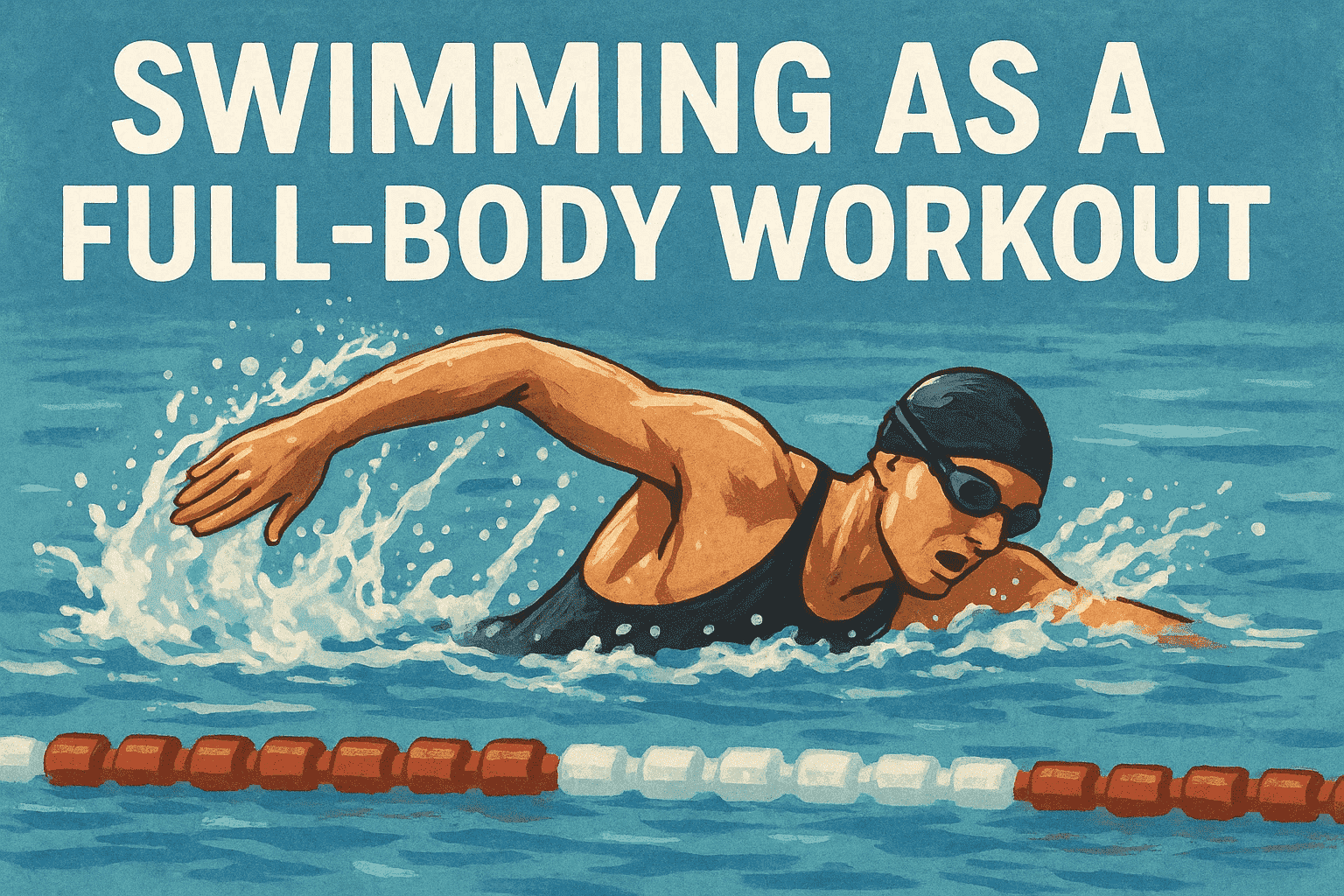
Wondering if swimming can help you lose weight? Yes, it can! Swimming provides a full-body workout, burns a lot of calories, and is easy on your joints. In this article, we’ll explore the benefits of swimming for weight loss and offer tips to make the most of your swimming sessions.
Key Takeaways
- Swimming offers a full-body workout that engages almost all muscle groups, making it an effective exercise for toning and building strength.
- It’s a powerful calorie burner; different strokes and intensity levels make swimming adaptable for various fitness levels.
- Regular swimming enhances cardiovascular health, reduces stress, and promotes overall mental well-being, making it a holistic approach to fitness.
Swimming as a Full-Body Workout
One of the most remarkable aspects of swimming is that it engages your whole body. Unlike many other forms of exercise that target specific areas, swimming requires you to move your entire body against the resistance of water, making it an effective full-body workout. Whether you’re doing the breaststroke, backstroke, or butterfly, each stroke utilizes different muscle groups, ensuring a comprehensive workout.
Swimming is a unique form of exercise because it engages almost all muscle groups. Your arms, shoulders, back, core, glutes, and legs all work in harmony, contributing to overall strength and toning. For instance, the freestyle stroke primarily works your arms, shoulders, and core, while the breaststroke focuses more on your chest, thighs, and glutes. This variety in muscle engagement not only helps in toning but also prevents a great workout monotony. Incorporating the best exercise, strength training exercises can further enhance your fitness routine.
Moreover, the resistance provided by water makes swimming a more challenging and effective water workout compared to land-based exercises. Water provides gentle resistance, making each movement more strenuous and beneficial. This water resistance is excellent for building muscle strength and endurance without causing the muscle pain often associated with high-impact exercises. Incorporating water based exercise can enhance these benefits even further.
Calorie Burn: How Many Calories Can You Burn While Swimming?
When it comes to burning calories, swimming is a powerhouse. The number of calories you burn while swimming depends on various factors, including the stroke you use and the intensity of your workout. For instance, the butterfly stroke is the most demanding and burns the highest number of calories per minute. However, it’s also the most challenging to sustain over longer periods.
Swimming at a vigorous pace can burn a substantial amount of calories. For example, a 155-pound person can burn approximately 372 calories in just half an hour of vigorous swimming. Even swimming at a moderate pace is effective for calorie burning, making it a flexible option for different fitness levels.
Different strokes have different energy expenditures. While the butterfly stroke burns the most calories, strokes like breaststroke and backstroke are easier to maintain and still provide significant calorie-burning benefits. This makes swimming a versatile exercise that you can adapt to your fitness level and goals.
Regular swimming is an excellent way to maintain a high calorie burn over time. Consistent swimming workouts not only help in burning calories but also enhance your overall metabolic rate. This means you’ll continue to burn calories even after your swimming session ends, making swimming a highly effective exercise for long-term weight loss.
Cardiovascular Benefits of Swimming

Swimming is not just great for muscle toning and calorie burning; it’s also fantastic for your heart. Engaging in regular swimming workouts can significantly improve your cardiovascular fitness. Swimming helps build endurance, strengthens muscles, and boosts overall cardiovascular health.
One of the most notable cardiovascular system benefits of swimming is its ability to reduce the risk of heart disease and stroke. Regular swimming promotes better circulation, reduces artery stiffness, and can even lower high blood pressure. These improvements contribute to healthier blood vessels, a healthier heart, and a reduced risk of chronic diseases, aiding in disease control.
In addition to heart health, swimming also offers the following benefits:
- Enhances lung capacity and cardiorespiratory fitness.
- The rhythmic nature of swimming, combined with controlled breathing techniques, increases lung function and endurance.
- Over time, regular swimming can lead to significant improvements in cardiovascular endurance, making it a highly beneficial aerobic exercise.
Swimming and Body Composition
Swimming is a powerful tool for improving body composition. Regular swimming can help reduce visceral fat while promoting the development of lean muscle mass and maintaining a healthy body weight. This dual effect makes swimming a good exercise for achieving a balanced and toned physique, as noted by an exercise physiologist.
The buoyancy of water plays a crucial role in the effectiveness of swimming as a workout. Water reduces the stress on your joints, allowing you to perform aquatic exercise more sustainably and with less risk of injury. This makes swimming an ideal exercise for people of all ages and fitness levels, including those with limbs buoyant physical limitations.
Moreover, swimming makes strengthens nearly all muscle groups. The continuous engagement of different muscles leads to significant improvements in muscle tone and overall strength. Over time, this can result in a well-balanced, lean body composition that enhances both physical health and appearance.
Swimming for All Fitness Levels
One of the most appealing aspects of swimming is its accessibility to people of all fitness levels. Whether you’re a seasoned athlete or a fitness newbie, swimming offers a low-impact workout that can be adapted to your needs. The buoyancy of water reduces strain on joints, making it a suitable exercise for individuals with physical limitations or those recovering from injuries.
Swimming strokes can be tailored to target various muscle groups according to your fitness level. Beginners can start with simpler strokes like the freestyle or backstroke, while more advanced swimmers can challenge themselves with the butterfly stroke or high-intensity interval training in the water. This adaptability makes swimming exercise a versatile and inclusive form of exercise.
Taking swimming lessons can significantly enhance your swimming experience. Structured lessons help:
- Beginners acquire essential skills like different strokes and breathing techniques
- Reduce the risk of injuries and ensure a safe workout
- Advanced swimmers receive tips and techniques to improve efficiency and performance
The Role of Swimming Lessons in Weight Loss
Swimming lessons play a crucial role in maximizing the weight loss benefits of swimming. Beginners often struggle with technique, which can hinder their workout efficiency and increase the risk of injury. Structured swimming lessons help individuals learn the correct techniques, making their workouts more effective and enjoyable, allowing them to lose weight.
Personalized instruction in swimming lessons can lead to faster learning and better adaptation to the water. By focusing on individual needs and abilities, swimming instructors can help you improve your technique, stamina, and overall fitness at your own pace. This personalized approach ensures that you get the most out of your swimming workouts.
Moreover, swimming lessons can provide motivation and structure, which are essential for a successful weight loss journey. Knowing that you have regular lessons can keep you committed and consistent, ultimately leading to better results. So, if you’re serious about losing weight through swimming, investing in swimming lessons is a wise decision.
Mental Health Benefits of Swimming
Swimming is not only beneficial for your physical health but also for your physical and mental well-being. Engaging in regular swimming workouts can significantly reduce stress levels and anxiety. The repetitive nature of swimming, combined with the soothing effects of water, creates a meditative state that helps calm the mind.
The release of endorphins during swimming is another key factor in its mental health benefits. Endorphins are known to elevate mood and promote a sense of well-being. Swimming has been shown to improve mood and alleviate symptoms of depression, making it a powerful tool for mental health.
Swimming also encourages social interactions, whether you’re taking lessons, joining a swim team, or simply sharing the pool with others. These social connections can enhance your mental well-being and provide a support system that makes your swimming journey more enjoyable and sustainable.
Swimming for Healthy Aging
As we age, maintaining physical activity becomes increasingly important for overall health and longevity. Swimming is an excellent exercise for older adults, as it helps retain or build muscle mass, counteracting the natural muscle loss that occurs with age. Regular swimming can significantly improve physical health and contribute to healthy aging.
Swimming is a low-impact exercise, making it ideal for seniors who may suffer from joint pain or long-term illnesses. The buoyancy of water reduces stress on the joints, allowing for a more comfortable and sustainable workout. Additionally, swimming can improve lung function, which often declines with age.
Research suggests that regular swimming can extend life and has a much lower death rate compared to non-exercisers. This makes swimming not only a great exercise but also a valuable tool for enhancing longevity and quality of life in older adults to stay healthy.
Tips for Starting a Swimming Program
Starting a swimming program can be both exciting and daunting. The first step is to obtain a doctor’s approval, especially if you have any pre-existing medical conditions or injuries. Consulting a doctor, ensures that you’re ready to start swimming safely and effectively.
Next, find a suitable swimming pool that fits your budget and lifestyle. Consider the following options and tips:
- Many community centers and gyms offer access to swimming pools.
- Some facilities provide swimming lessons to help you get started.
- Invest in a good quality swimsuit with flat seams to prevent chafing and make your swimming experience more comfortable.
Lastly, consider taking swimming lessons to improve your technique and build confidence in the water. Structured swimming lessons can provide the guidance and support you need to start swimming effectively and safely. With these tips, you’ll be well on your way to enjoying the numerous health benefits of swimming.
Summary
Swimming is a versatile, full-body workout that offers numerous health benefits, from burning calories and improving cardiovascular health to enhancing mental well-being and promoting healthy aging. Whether you’re a beginner or an experienced swimmer, swimming provides a low-impact, enjoyable way to achieve your fitness goals.
So why wait? Dive into the world of swimming and start experiencing the incredible benefits today. Join Swim Up Academy and let us guide you on your journey to better health and fitness through swimming. Remember, every stroke brings you closer to a healthier, happier you.
Frequently Asked Questions
What type of swimming classes does the academy offer?
The academy offers swimming classes for all ages and abilities, focusing on personalized instruction and individualized attention. It’s a great way to learn at your own pace!
What is the age range for the swimming classes offered?
The swimming classes cater to a wide range of ages from babies as young as 6 months up to adults 13 years and older, including those with special needs. It’s a great opportunity for everyone to learn and enjoy swimming!
What guarantees does the academy provide regarding swimming skills?
The academy guarantees that students will be able to swim 100 meters, with tailored milestones for different age groups—like 15+ meters for ages 3–5 and 100+ meters for ages 6 and up. So, you can expect measurable progress based on your child’s age!
How does the academy approach teaching swimming techniques?
The academy focuses on personalized coaching by adapting swimming techniques to each swimmer’s age, strength, and learning style. This tailored approach ensures that everyone gets the most effective instruction for their unique needs.
What safety skills are included in the swimming lessons?
Swimming lessons cover essential safety skills like floating, treading water, safe entry and exit, along with survival strokes and emergency techniques for older kids. These skills are crucial for ensuring everyone can enjoy the water safely!