Learning to swim as an adult or enrolling your child in their first swimming lesson can feel overwhelming. Whether you’re afraid of water, concerned about safety, or simply don’t know where to start, the thought of taking that first plunge into swimming lessons can create anxiety. Yet swimming is one of the most valuable life skills you can acquire – not only for safety reasons but for the incredible physical and mental health benefits it provides.
According to the CDC, structured swimming instruction can reduce the risk of drowning by up to 88% in young children aged 1-4. For adults, learning to swim opens doors to a lifetime of fitness opportunities and water confidence that enhances everything from family vacations to personal wellness routines.
This comprehensive guide will walk you through everything you need to know about beginner swimming classes, from what to expect in your first lesson to choosing the right program for your individual needs. By the end, you’ll have the knowledge and confidence to take that important first step toward becoming a confident swimmer.
What Are Beginner Swimming Classes?
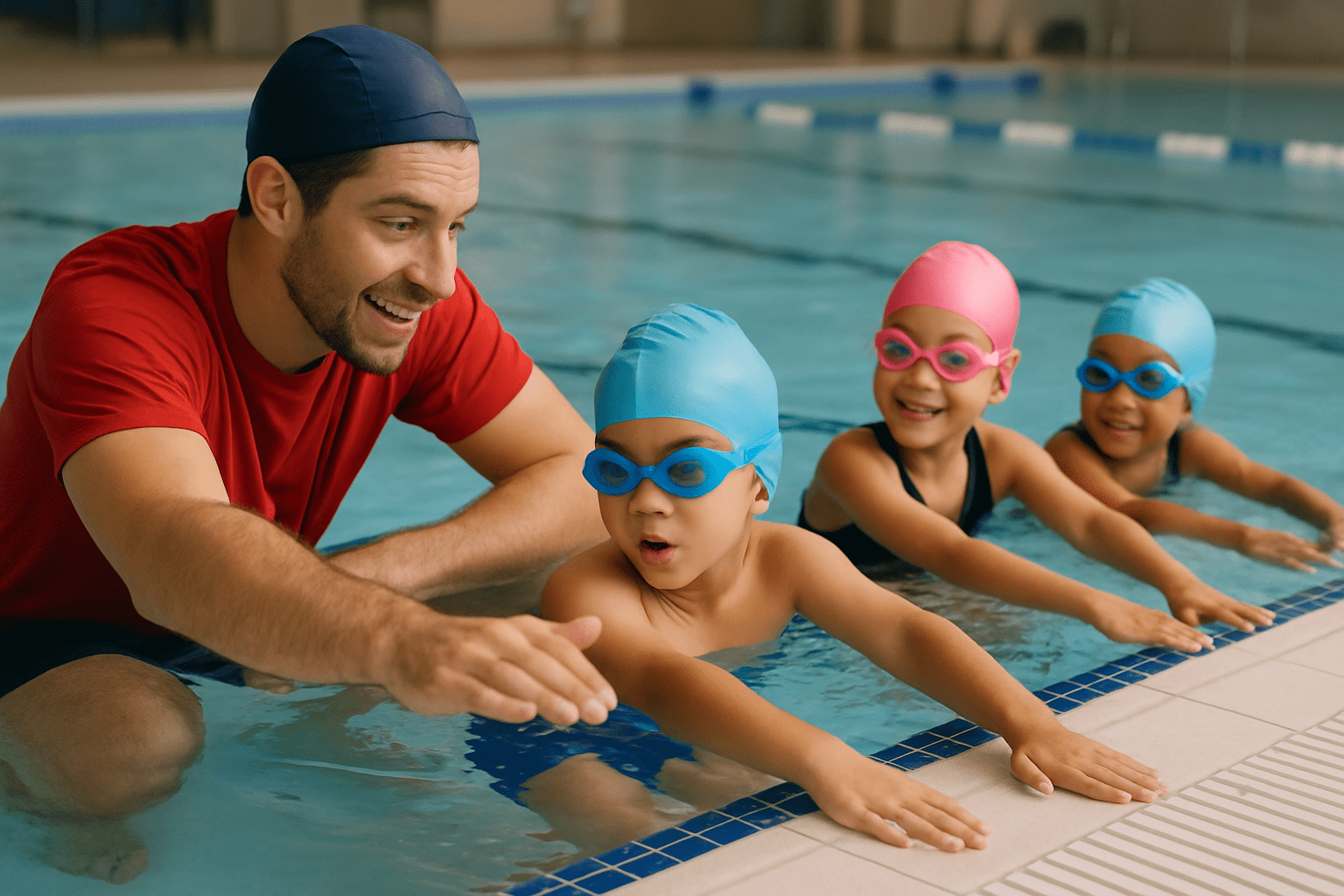
Beginner swimming classes are structured instructional sessions designed specifically for individuals – both children and adults – who have little to no prior experience in swimming. These classes systematically introduce core aquatic skills, emphasizing water safety, basic floating techniques, breath control, and elementary stroke techniques within a supportive, controlled environment led by qualified instructors.
The primary aim is to foster confidence and self-sufficiency in water through progressive skill development. Most beginner programs start in shallow water, typically 3-4 feet deep, to help students build water confidence gradually while learning essential swimming skills at their own pace.
Sessions generally last 30-45 minutes and meet once or twice weekly over a period of 6-8 weeks. This structure allows for physical adaptation and skill reinforcement while accommodating the gradual progression necessary for learners to develop competence in foundational swimming abilities. The focus is always on creating a fun, safe environment where students can learn to swim without pressure or fear.
Benefits of Taking Beginner Swimming Classes

Swimming lessons provide numerous advantages that extend far beyond simply learning to move through water. Here are the key benefits that make beginner swimming classes a worthwhile investment:
Life-Saving Water Safety Skills
Structured instruction covers crucial safety skills such as safe entries and exits, treading water, floating, and basic rescue techniques. These skills reduce the risk of drowning and improve emergency response capabilities, giving both students and parents peace of mind around water.
Exceptional Physical Health Benefits
Swimming is a low-impact, full-body cardiovascular exercise suitable for individuals of all ages and fitness levels. It enhances heart health, builds muscular endurance, improves flexibility, and develops coordination with minimal injury risk. Unlike high-impact sports, swimming is gentle on joints while providing an amazing full-body workout.
Mental Well-being and Stress Relief
The rhythmic breathing and repetitive water-based movements in swimming promote stress relief and contribute to better mental health by reducing anxiety and improving mood. Many swimmers find the water environment naturally calming and meditative.
Building Confidence and Social Connections
As students become more comfortable in water, they gain confidence to participate in aquatic activities, socialize around pools and beaches, and enjoy water-based family activities. Group classes also foster community connections and provide motivational support among learners with similar goals.
Foundation for Advanced Techniques
Beginner swimming classes prepare students for more advanced swimming techniques, competitive swimming, and complex aquatic sports by establishing strong motor patterns and water confidence. This foundation opens doors to lifelong aquatic pursuits.
What You’ll Learn in Beginner Swimming Classes
Professional swimming instructors structure lessons to build skills progressively, ensuring each student develops proper technique and confidence before advancing. Here’s what you can expect to learn:
Water Acclimatization and Comfort
Students begin by adjusting to being in water, starting with basic comfort exercises like getting the face wet and gradually progressing to full head submersion. This phase focuses on overcoming any fear of water through patient, supportive instruction.
Breath Control Techniques
Early lessons emphasize controlled breathing – learning to hold breath underwater, exhaling bubbles through the mouth and nose, and coordinating breath with movement. Proper breathing techniques are fundamental to all swimming strokes and water safety.
Floating Skills
Fundamental floating techniques on both back and stomach are taught, beginning with instructor support and progressing to independent floating. Mastering floating is critical for water safety, energy conservation, and building the foundation for stroke development.
Basic Kicking Techniques
Students practice kicks while holding the poolside or using kickboards to build leg strength and learn proper propulsion techniques. These exercises develop the muscle memory and coordination needed for efficient swimming strokes.
Elementary Stroke Mechanics
Introduction to freestyle (front crawl) and backstroke focuses on basic arm movements, body position, and smooth coordination. Instructions prioritize safety and efficiency, helping students develop good habits from the beginning.
Water Entry and Exit Skills
Safe techniques for entering and exiting water – including ladder use, poolside sitting, and maintaining support while climbing in and out – are practiced from the very first lesson to ensure student safety and independence.
Treading Water
Students learn treading techniques to maintain buoyancy in deeper water sections, often starting with goals of 30-60 seconds. This skill is essential for water safety and builds confidence in deeper water.
Progression Through Beginner Levels
Most swimming schools organize instruction into progressive levels:
- Level 1: Water comfort, supported floating, and basic breath control (typically 4-6 lessons)
- Level 2: Independent floating, elementary backstroke, and assisted freestyle (6-8 lessons)
- Level 3: Swimming 25 meters in freestyle and backstroke, basic diving, and longer unassisted swims (8-10 lessons)
Students advance based on demonstrated skill mastery and comfort rather than age or number of sessions completed.
Types of Beginner Swimming Classes Available
Different class formats accommodate various learning preferences, schedules, and comfort levels:
Group Swimming Classes
Our group sessions at Swim Up Academy are conducted with 6 students at a time per instructor for students 17 years old and below, while group lessons are 4 students and above for 18 years old and above. This type of class offers cost-effective instruction while encouraging peer interaction and social learning. These classes work well for children and adults who enjoy learning alongside others with similar skill levels.
Private Swimming Instruction
One-on-one lessons with a dedicated coach provide maximum personalized attention, ideal for individuals with specific fears, unique needs, or those seeking accelerated progress. A private coach can adapt their teaching style completely to the student’s individual needs and learning pace.
Adult-Only Classes
Many swimming schools offer classes designed specifically for mature learners, addressing adult-specific anxieties and learning speeds. These classes recognize that adults may feel self-conscious learning alongside children and provide age-appropriate instruction. Feel free to check out our page for adult swimming classes here.
Parent-Child Classes
For toddlers and young children, parent-child classes encourage family participation while emphasizing safety, water acclimatization, and bonding. Parents learn how to safely support their child’s swimming development. Swim Up Academy offers classes for different age groups starting as young as 6 months old.
Intensive Workshops
Some programs offer condensed skill-building over weekends or holiday periods, perfect for those seeking rapid progress or working around busy schedules.
Choosing the Right Beginner Swimming Program

Selecting an appropriate beginner swimming program requires evaluating several important factors:
Instructor Qualifications and Experience
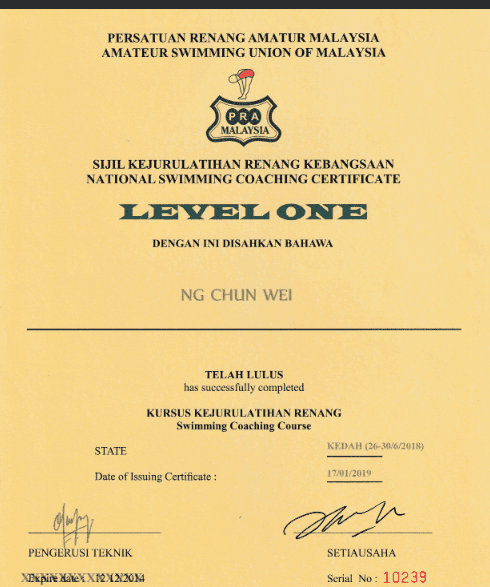
Look for swimming instructors who hold recognized certifications such as International Life Saving (ILS). This ensures instructors understand proper safety protocols and effective teaching methods. Additionally, consider instructors with specific experience teaching beginners, as this requires patience and specialized techniques.
Safety Standards and Ratios
Verify that instructor-to-student ratios meet safety standards. For beginners, 1:4 is optimal. Smaller ratios ensure each student receives adequate attention and supervision, particularly important for those still developing water confidence.
Facilities and Pool Conditions
Choose facilities with heated, well-maintained pools. Pool depth of 3-5 feet is ideal for beginners, providing safety while allowing natural standing. Clean, well-lit facilities with proper safety equipment demonstrate professional standards.
Schedule Flexibility and Convenience
Look for programs offering various schedule options including evenings and weekends to accommodate work and family commitments. Consider location convenience and parking availability, as regular attendance is crucial for skill development.
Reputation and Reviews
Research the swimming school’s reputation through online reviews, testimonials, and word-of-mouth recommendations. Look for feedback specifically about instructor quality, student progress, and overall program effectiveness. Established programs with positive track records indicate reliable instruction.
Trial Classes and Assessment
Many quality programs offer trial classes or assessment sessions, allowing you to experience the teaching style and facility before committing. This helps ensure the program matches your comfort level and learning preferences.
What to Expect in Your First Swimming Class
Your first swimming lesson sets the foundation for your entire learning experience. Here’s what typically happens:
Arrival and Orientation
Plan to arrive 15 minutes early for registration, facility tour, and safety briefing. This extra time helps reduce first-lesson anxiety and ensures you understand facility rules and emergency procedures.
Initial Assessment
Your instructor will assess your current comfort level with water and discuss any specific fears or concerns. This conversation helps them tailor instruction to your individual needs and pace. Be honest about your comfort level – there’s no judgment, only better instruction.
Water Introduction Activities
Initial activities focus on getting comfortable with water temperature and depth. You’ll start with simple exercises like walking in water, holding the pool wall, and gentle bobbing motions. These activities help your body adjust to the water environment.
Basic Skill Introduction
Your first lesson typically includes introduction to floating with full instructor support, basic breath control exercises, and simple kicking while holding the pool edge. The pace is gentle and encouraging, building confidence through small successes.
Positive Reinforcement and Planning
Each lesson ends with positive reinforcement about progress made and a preview of skills you’ll work on next. This helps maintain motivation and reduces anxiety about future lessons.
Remember, every person progresses at their own pace. Some students feel comfortable immediately, while others need several lessons to build confidence. Both paths are completely normal and acceptable.
Essential Equipment for Beginner Swimming Classes

Having the right equipment enhances comfort and learning effectiveness:
Required Personal Items
- Properly fitted swimsuit: Choose snug-fitting swimwear that won’t create drag or become loose in water. Avoid baggy clothing that impedes movement
- Swimming goggles: Essential for underwater vision and reducing eye irritation from pool chemicals. Many students find goggles significantly boost their water confidence
- Towel and change of clothes: For comfort and warmth after lessons
Facility-Provided Equipment
Most swimming schools provide:
- Kickboards: Used for practicing kicks and building leg strength without worrying about arm coordination
- Pool noodles and flotation devices: Used as transitional aids during skill development
- Other training aids: Such as pull buoys or fins, depending on the program
Optional Accessories
- Swim cap: Helps keep hair dry and reduces drag for those with long hair
- Nose clips: Can help students comfortable with breath control if they’re sensitive to water entering their nose
- Water shoes: Some facilities require non-slip footwear for deck areas
Most quality programs provide necessary training equipment, so check with your swimming school about what to bring versus what they supply.
Cost and Duration of Beginner Swimming Classes
Understanding the financial investment and time commitment helps in planning your swimming journey:
Pricing Structure
Swimming lesson costs vary significantly by location, facility type, and instruction format. Please check in with our staff for the latest prices and even seasonal promotion prices!
Duration and Progression Timeline
Most participants require 12-20 total lessons to achieve basic swimming competency, though individual progression varies significantly. Factors affecting learning speed include:
- Previous water experience and comfort level
- Frequency of lessons and practice
- Individual learning style and physical coordination
- Age and fitness level
Money-Saving Options
Many facilities offer:
- Package deals for multiple lessons purchased together
- Family discounts for multiple students
- Seasonal promotions during off-peak periods
- Community program discounts through local recreation centers
Investment Value
While swimming lessons require upfront investment, consider the lifelong value: water safety skills, fitness opportunities, confidence around water, and the ability to enjoy aquatic activities with family and friends.
Frequently Asked Questions About Beginner Swimming Classes
At what age can you start beginner swimming classes? Many programs enroll children as young as six months in parent-child classes. Independent beginner swimming classes often begin at ages 3-5. For adults, there’s no upper age limit – people can learn to swim at any stage of life with proper instruction.
Are adult beginner swimming classes available? Yes, many facilities offer adult-specific beginner swimming classes. These programs are specially designed for mature learners, addressing adult-specific anxieties and learning speeds while providing age-appropriate instruction and peer groups.
How long does it take to learn to swim? The average beginner achieves basic swimming competency with 12-20 structured lessons, but this varies greatly by individual. Factors include previous water experience, lesson frequency, learning style, and personal comfort level with water.
What if I’m afraid of water? Professional swimming instructors are trained to work with students who have aquaphobia or water fear. They use gradual immersion techniques, patience, and proven methods to help build water confidence slowly and safely.
What qualifications should a swimming instructor have? Look for instructors certified by reputable organizations such as Red Cross Water Safety Instructor (WSI), YMCA, or national equivalents. These certifications ensure proper training in safety protocols and effective teaching methods.
Is swimming safe for people with joint pain or injuries? Swimming is often recommended as low-impact exercise for people with joint pain or recovering from injuries. However, individuals with specific health concerns should always consult their healthcare provider before beginning any new exercise program, including swimming lessons.
Taking the Plunge: Your Journey to Water Confidence
Learning to swim through structured beginner swimming classes is one of the most valuable investments you can make in your personal safety, health, and quality of life. Whether you’re an adult who never learned as a child, a parent enrolling your child in their first swimming lesson, or someone looking to overcome water fears, professional instruction provides the safest and most effective path to water confidence.
The journey from nervous beginner to confident swimmer happens gradually through patient instruction, progressive skill building, and supportive encouragement. With qualified instructors like the ones here in Swim Up Academy, proper facilities, and consistent attendance, you’ll develop not only the technical swimming skills but also the water confidence that opens doors to a lifetime of aquatic enjoyment.
Remember that everyone learns at their own pace, and there’s no shame in starting at any age or skill level. The most important step is the first one – deciding to begin. Research local swimming programs, schedule a trial class, and discover the transformative experience of learning to swim. Your future self will thank you for taking this important step toward water safety and lifelong fitness.
Ready to start your swimming journey? Contact Swim Up Academy today to learn about their beginner programs and schedule your first lesson here.